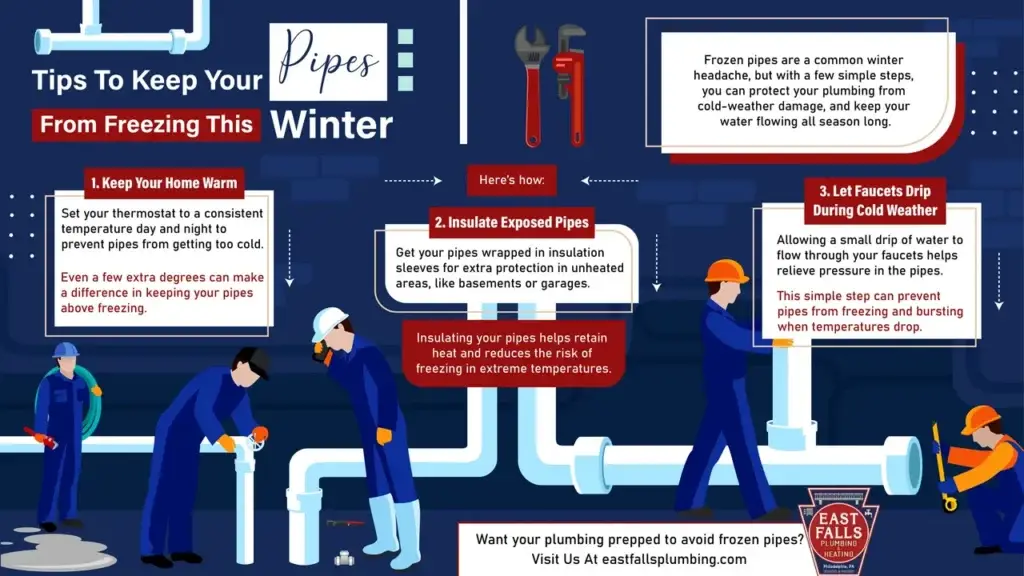
Frozen pipes are a common winter headache, but with a few simple steps, you can protect your plumbing from cold-weather damage and keep your water flowing all season long.
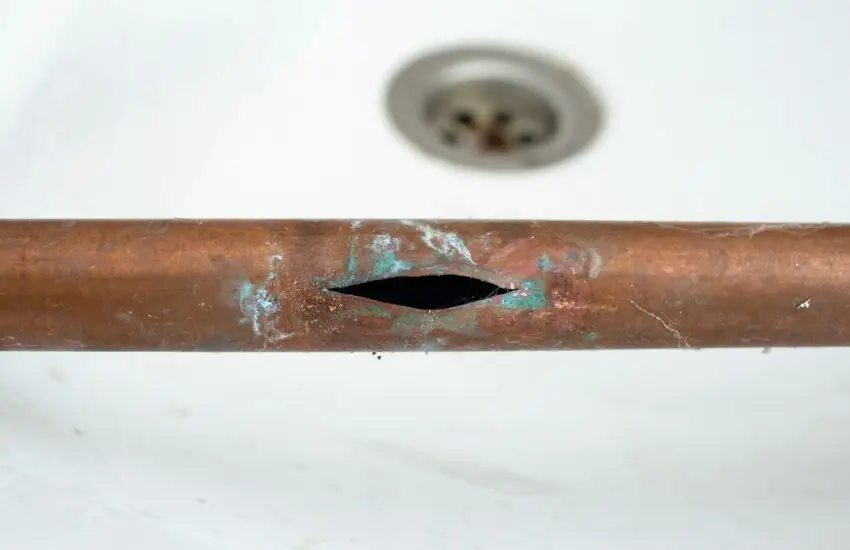
When water freezes inside a pipe, it expands, placing massive pressure on the pipe walls. If left unaddressed, this pressure can lead to cracks or catastrophic pipe bursts. Fortunately, taking proactive measures before extreme temperatures drop can save you from costly emergency repairs.
Here are three essential steps to keep your home’s pipes safe throughout the cold months:
1. Keep Your Home Warm
Maintaining a stable indoor temperature is one of the easiest ways to safeguard your plumbing.
- Maintain Consistent Temperatures: Set your thermostat to a consistent temperature during both the day and night to prevent pipes from getting too cold. Lowering your heat significantly overnight allows vulnerable wall cavities and unheated spaces to drop below freezing.
- Every Degree Matters: Even a few extra degrees can make a significant difference in keeping your pipes above the freezing mark. If you plan to travel during the winter, never turn your heating system off entirely; keep it set to at least 55°F or higher.
2. Insulate Exposed Pipes
Pipes running through unheated or poorly insulated spaces are the most vulnerable to freezing conditions.
- Add Pipe Sleeve Protection: Wrap exposed pipes in insulation sleeves for extra protection in unheated areas like basements, crawlspaces, attics, or garages.
- Retain Critical Heat: Insulating your pipes helps retain heat and drastically reduces the risk of freezing during extreme temperature drops. Foam or fiberglass pipe insulation is inexpensive, easy to apply, and acts as a vital barrier against sub-zero drafts.
3. Let Faucets Drip During Cold Weather
When severe freezing conditions hit, a simple trick can prevent a total pipe failure.
- Relieve Internal Pressure: Allowing a small drip of water to flow through your faucets helps relieve buildup pressure within the system. It is actually the trapped pressure between the ice blockage and the faucet—rather than the ice itself—that causes pipes to burst.
- Prevent Pipe Ruptures: This simple step keeps water moving slowly and can effectively prevent pipes from freezing and bursting when temperatures drop. Target faucets connected to exterior walls or pipes running through unheated zones.
Protect Your Plumbing with East Falls Plumbing
Taking a few preventative measures now can spare you the stress, mess, and expense of winter plumbing emergencies.
Want your plumbing prepped to avoid frozen pipes this season? Trust the experts at East Falls Plumbing & Heating. Visit us at eastfallsplumbing.com to schedule an inspection or winterization service today!