
Oil to Gas Conversion in Philadelphia, PA
Why Switch From Oil to Natural Gas?
From traditional brick rowhomes in Philly to spacious stone homes in local neighborhoods, Philadelphia’s diverse housing stock requires specific heating solutions. If your property is still running on oil, you’re not just paying too much for fuel. You’re dealing with the stress of scheduling oil deliveries and managing an aging storage tank.
East Falls Plumbing provides turn-key oil-to-natural-gas conversion services engineered for Philadelphia homes. We safely replace outdated oil systems with modern 96%+ AFUE high-efficiency equipment, handle all L&I permits, and ensure your new system is sized perfectly for your space and existing infrastructure.
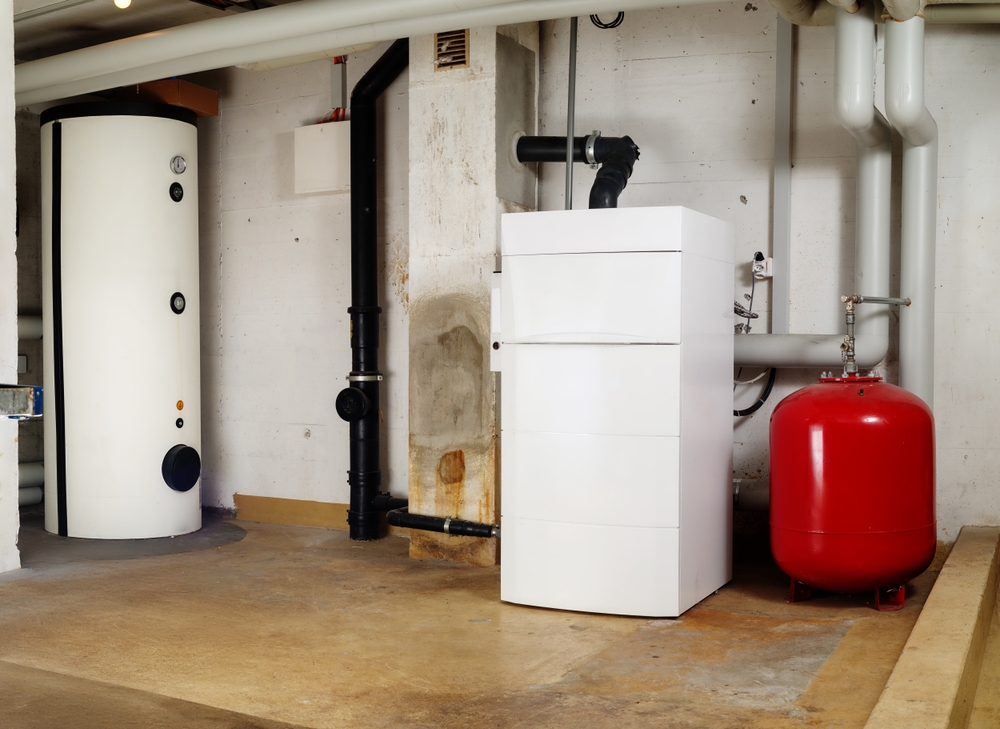
A Smoother Transition to Natural Gas Heating
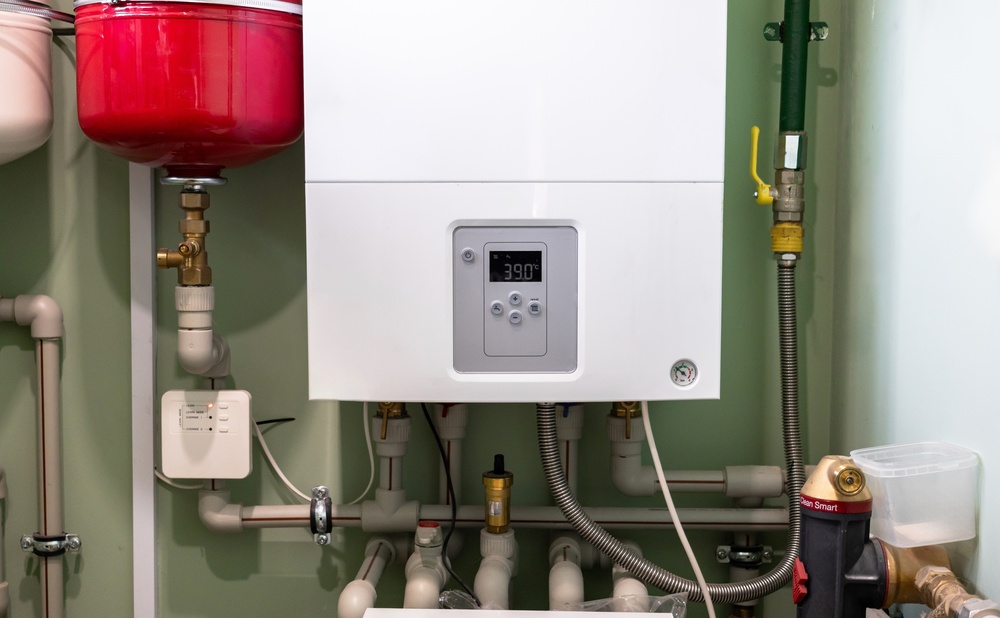
The Process for Converting from Oil to Natural Gas
An oil to gas conversion in Philadelphia, PA, involves a coordinated effort between your contractor and the local utility, Philadelphia Gas Works (PGW). Understanding the division of labor is key to a smooth project. The process generally follows a clear sequence to safely switch your home’s heating source.
Steps involved in the heating conversion
- Utility Work (PGW): First, PGW must confirm that a gas main is available on your street. They will then schedule a crew to run a new service line from the main to your home and set an exterior gas meter. This part of the process is handled entirely by the utility and its timeline can vary.
- Interior Gas Line Installation: Once the meter is set, our licensed plumbers run black iron piping from the meter to your new appliance’s location. We calculate the proper pipe size to guarantee adequate pressure and flow for safe, efficient operation.
- New Equipment Installation: We remove your old oil furnace and install a new, high-efficiency gas furnace. This includes connecting the new unit to your existing ductwork or plumbing, wiring the thermostat, and setting it up for optimal performance.
- Venting and Chimney Lining: Modern high-efficiency gas furnaces often require new PVC venting to be run through a side wall. A new stainless steel chimney liner is typically required to protect the masonry from corrosive flue gas condensation.
- Oil Tank Management: The final step is dealing with the old fuel oil tank. Depending on its location and condition, it will either be professionally cleaned and removed from your property or, in some cases, filled in place (abandoned).
Cost of Oil to Gas Conversion in Philadelphia
The total cost for an oil to gas conversion in Philadelphia typically ranges from $8,000 to $15,000 in 2026. For a standard rowhome in South Philly or Fishtown, the cost is often on the lower end of that range. Larger twin or single-family homes in other neighborhoods may fall into the higher end, especially with more complex systems. Several factors influence the final price:
Piping and Venting Runs
The length and complexity of the new gas line installation and the type of venting required will affect labor and material costs.
Oil Tank Removal
Removing an above-ground tank from a basement is straightforward and costs around $500 to $1,500. A buried underground tank is much more complex, often costing $2,000 to $5,000 or more if soil remediation is needed.
Permits and Inspections
A Philadelphia L&I permit is mandatory for this work, which includes mechanical and plumbing inspections. These permit fees typically add several hundred dollars to the project total.
Managing Your Old Oil Tank
Your old oil tank cannot simply be left as-is. It must be properly decommissioned according to state and local regulations to prevent environmental hazards and future home sale complications.
You have two main options from our licensed plumbers in Philadelphia, depending on where the tank is located:
- Tank Removal: This is the preferred method, especially for tanks located in basements or above ground. The tank is drained, cleaned of all residual oil and sludge, and physically removed from the property for disposal.
- Tank Abandonment: For underground tanks where excavation is difficult or impossible, abandonment is an option. The tank is emptied and cleaned, then filled with an inert material like sand or foam. This is only permitted if the tank has not leaked.
If a leak is discovered in an underground tank, the process becomes more involved. The Pennsylvania Department of Environmental Protection (PA DEP) has strict guidelines for reporting, soil sampling, and remediation to guarantee the site is clean. Ignoring a leaky tank can lead to significant liability and make it nearly impossible to sell your home.
Philadelphia’s diverse housing stock requires careful equipment selection. A system that works for a modern construction home may not be suitable for a century-old rowhome with cast-iron radiators. We always perform a Manual J load calculation to determine the exact heating needs of your home, guaranteeing your new system is sized perfectly.
Frequently Asked Questions: Philly Oil-to-Gas Conversion
How long do 100 gallons of oil last in a furnace?
In the coldest part of a Philadelphia winter, a typical home might use 3 to 5 gallons of oil per day. At that rate, 100 gallons of heating oil would last approximately 3 to 4 weeks. This usage can vary greatly depending on your home’s insulation, thermostat setting, and the furnace’s efficiency.
How Much Can I Save by Switching to Gas?
The primary motivation for most homeowners is the significant drop in annual fuel costs. With volatile heating oil prices, natural gas is consistently a more affordable and stable energy source. The savings come from both a lower price per unit of energy and a major jump in equipment efficiency.
Based on average 2026 energy costs, natural gas delivers the same amount of heat for less than half the price of oil. According to the U.S. Energy Information Administration, one gallon of heating oil contains about 138,700 BTUs of energy. A new 96% efficient gas furnace delivers 96,000 BTUs of heat per therm of gas at a much lower cost.
For a typical 1,800-square-foot Philadelphia rowhome using 700 gallons of oil per year at $4.50/gallon, the annual heating bill is around $3,150. After a gas conversion, the equivalent natural gas usage would cost approximately $1,400 per year. That’s an annual savings of over $1,700, resulting in a payback period of just 5-7 years for the entire project.
Is converting from oil to gas worth it?
Yes, for most homeowners in Philadelphia, converting from oil to gas is worth it. The significant annual fuel savings, which can be over 50%, often provide a return on investment within 5-7 years. Additionally, natural gas is cleaner, more convenient, and increases your home’s resale value.
Get a Free Estimate for Your Philadelphia Conversion
Ready to explore the savings and comfort of natural gas? The team at East Falls Plumbing provides expert oil to gas conversion services throughout Philadelphia, including Roxborough, Manayunk, Germantown, and the surrounding neighborhoods. We handle the entire process, from system design and permitting to installation and inspection.
Contact us to schedule a free, no-obligation in-home estimate. We’ll assess your current system, explain your options, and provide a detailed, fixed-price quote for your project.