Backflow Preventer Installation in Philadelphia
Philadelphia Backflow Regulations & Installation
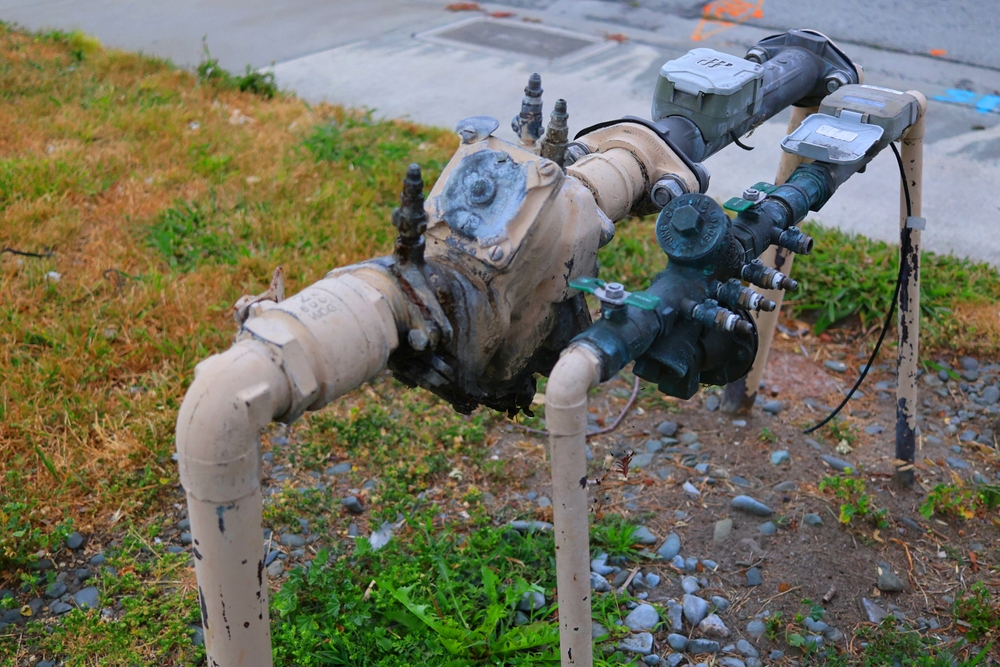
Backflow happens when water flows the wrong way through your plumbing, sucking contaminated water back into the clean supply. Pressure drops from water main breaks, heavy demand, or firefighting activities often set it off. A backflow preventer is a plumbing device designed to stop this reversal, safeguarding your household and Philadelphia’s public water from contamination.
- Annual backflow preventer testing in Philadelphia by a PWD-certified tester for all regulated properties is required.
- Most residential backflow preventer installations in Philadelphia take just 2 to 4 hours to complete.
- Philadelphia requires a plumbing permit before backflow preventer installation begins, triggering a mandatory L&I inspection.
- Commercial properties like restaurants and medical offices face stricter backflow hazard classifications than residential buildings.
- Philadelphia’s aging infrastructure in neighborhoods like Kensington and South Philly causes frequent pressure fluctuations that increase backflow risk.
Protect Your Water Supply With Professional Backflow Prevention
Understanding Backflow & Why Philadelphia Needs Protection
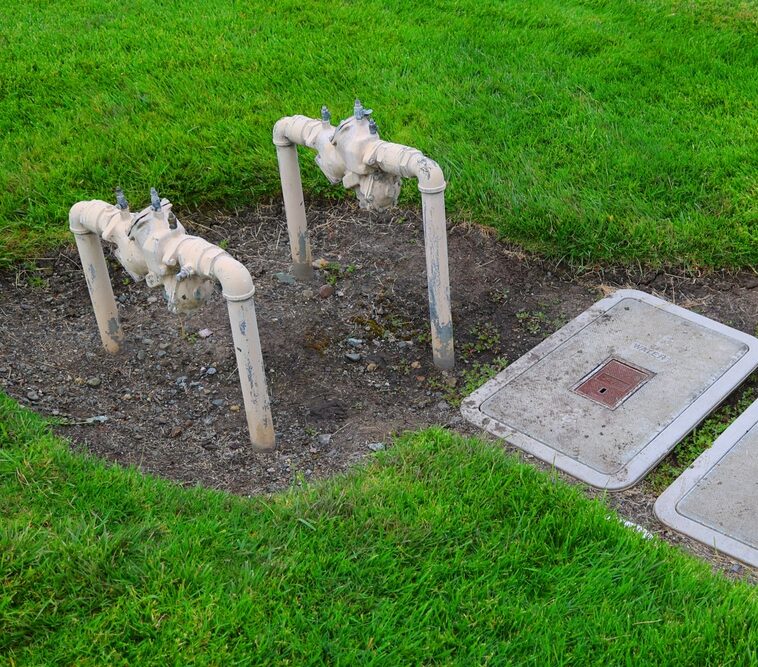
Backflow pulls hazardous contaminants into public and residential water supplies through cross-connections like irrigation systems and fire lines. In Philadelphia, aging infrastructure across the city causes frequent pressure fluctuations that increase this risk.
Understanding Philadelphia backflow prevention standards is essential for all property owners. To protect public health, the Philadelphia Water Department mandates backflow preventer installation and annual testing for at-risk properties. While residential homes typically need standard protection, commercial facilities (like restaurants and medical offices) face stricter hazard rules and require higher-rated assemblies. Staying up to code keeps your water safe and your property compliant.
Our Backflow Preventer Installation Process
When it's time to install a backflow preventer in Philadelphia, working with certified plumbers familiar with local requirements makes a huge difference. Our plumbing services follow a clear, step-by-step process from start to finish, so you're never left guessing what comes next.
Initial assessment
We visit your property, evaluate your plumbing system, identify any cross-connection risks, and figure out which device suits your needs best.
Permit filing
Philadelphia requires a plumbing permit before installation kicks off. We handle all the paperwork for you, keeping your project fully compliant with Philadelphia Water Department regulations. The permit process also triggers a required inspection by the Department of Licenses and Inspections (L&I), which verifies that the installation meets code before the system is put into service.
Professional installation
Our certified plumbers typically complete most residential installations in just 2 to 4 hours. Commercial properties or systems needing pipe modifications might take a full day.
Post-installation testing
A test is required right after installation, performed by a PWD-certified tester. We coordinate this test and submit results directly to the PWD on your behalf.
Annual testing reminders
You need to test your backflow preventer every year in Philadelphia. We keep track of your schedule and remind you when your next test is due.
The Importance of Regular Backflow Testing
The Philadelphia Water Department (PWD) mandates annual backflow preventer testing, starting immediately after installation. Regular checks catch failing check valves and worn seals early, protecting your water supply from sudden contamination while keeping your property in good standing.
Our PWD-certified technicians handle backflow preventer testing in Philadelphia from start to finish. We evaluate your device and submit official results directly to the city’s cross-connection control program for complete peace of mind.
What to Expect During a Backflow Test
When you schedule backflow preventer testing in Philadelphia, the evaluation is a straightforward process that typically takes under an hour for residential devices, though complex commercial assemblies may take longer.
Here’s how it works:
- Precision Testing: A certified tester uses differential pressure gauges to verify that each valve successfully holds against reverse flow.
- If it Passes: We handle the paperwork and submit your compliance results directly to the Philadelphia Water Department (PWD) for you.
- If it Fails: We’ll explain the issues clearly and guide you through your repair or replacement options to make sure your system meets all local PWD standards.
Choosing the Right Backflow Preventer
Not all devices fit every property. When scheduling a backflow preventer installation in Philadelphia, the right choice depends on your specific plumbing setup and water safety requirements. Here’s what influences that decision:
- Device type: Residential irrigation systems typically use a pressure vacuum breaker (PVB), while commercial properties or fire suppression systems often require a reduced pressure zone (RPZ) assembly for higher protection.
- Hazard level: The Philadelphia Water Department classifies cross-connection hazards, which directly affects the approved device type your property needs.
- Available space: Tight on space? Don’t worry, we identify compact, code-approved solutions that fit your setup.
Frequently Asked Questions
Do you need a plumber to install a backflow preventer?
A licensed and certified plumber is required by law to install a backflow preventer in Philadelphia, with most municipalities insisting that only certified backflow technicians handle the job. Improper installation can lead to failed inspections, fines, or contaminated water supply, risks that make DIY attempts a bad idea. Hiring a certified pro makes sure the device meets local code and passes the necessary annual testing.
What are the 4 types of backflow preventers?
- Air Gap: A physical space between the water outlet and potential contaminants.
- Reduced Pressure Zone (RPZ): Features two check valves and a relief valve for high-hazard connections (e.g., medical, industrial, or commercial sites).
- Pressure Vacuum Breaker (PVB): Protects against back-siphonage in outdoor irrigation systems.
- Double Check Valve (DC): Uses two independent check valves for low-to-medium hazard residential and commercial setups.
Your required device depends entirely on connection hazard level as dictated by local Philadelphia Water Department (PWD) regulations and can impact a toilet installation in Philadelphia.
How Does Backflow Prevention Protects Your Home?
When municipal water pressure drops unexpectedly during a main break or local fire response, water can reverse flow through your pipes, drawing in soaps, fertilizers, or other contaminants. Professional backflow preventer installation in Philadelphia keeps your drinking water safe while preventing costly PWD non-compliance fines and service disruptions.
Upgrading to modern testable assemblies, such as reduced pressure zone (RPZ) devices, protects older residential piping and simplifies L&I permit inspections for commercial properties. Investing in complete Philadelphia backflow prevention is a practical, one-time step that delivers lasting peace of mind. Schedule a consultation with our licensed team to safeguard your water supply today.
Schedule Your Backflow Preventer Installation in Philadelphia
When you’re ready to move forward, contact East Falls Plumbing & Heating for a free, no-obligation estimate from a licensed local plumber who knows Philadelphia’s water system requirements inside and out.